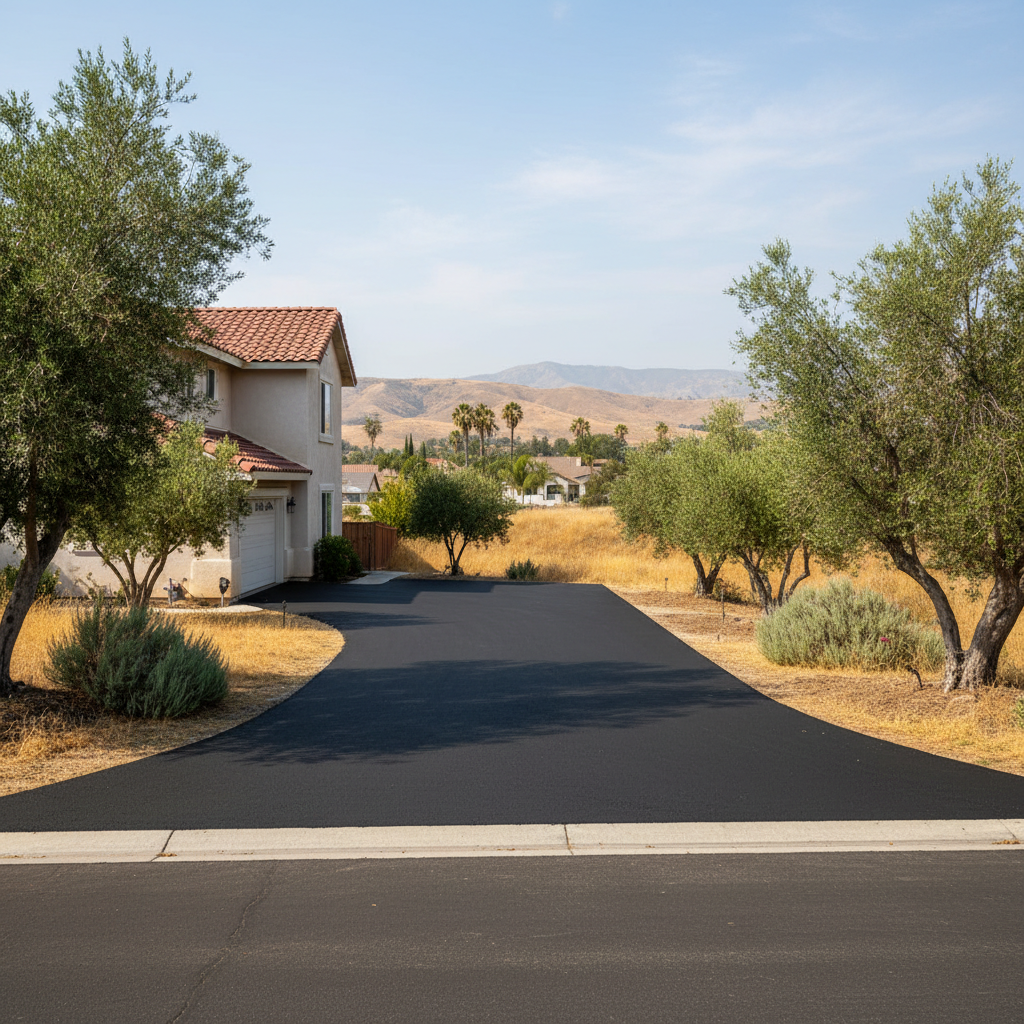
So, you've decided it's time to get that driveway fixed up, or maybe you're putting in a brand-new one. Smart move! But before you jump in, let's talk timing. Here in Colton, our weather isn't like everywhere else, and that makes a huge difference for asphalt paving. You can't just pave any old day and expect it to hold up. I've seen too many folks rush it, and they end up with problems down the road, believe me.
Why Colton's Weather Matters for Asphalt
Look, asphalt isn't just some tough black surface; it's a mix of aggregates and binders that react to temperature. When it's too cold, the asphalt mix doesn't compact right. It gets stiff, and you can't get that tight, dense surface you need for durability. When it's too hot, it can be too soft to work with properly, or it cures too fast, leading to issues like cracking or rutting later on. Our dry, hot summers and sometimes surprisingly cool winters — especially with those Santa Ana winds kicking up dust — mean we've got a pretty specific window for the best paving results.
The ideal temperature for laying asphalt is usually between 50 and 85 degrees Fahrenheit. That's for the air, sure, but the ground temperature matters too. If the ground is too cold, it'll cool the asphalt too quickly, stopping it from compacting properly. This is why you won't see All Star Asphalt Inc. out there laying down fresh pavement in the dead of winter, even if it's a sunny 60-degree day. The ground might still be too chilly from overnight lows.
The Best Time to Schedule Your Asphalt Project
So, when's the sweet spot? For us in Colton, spring and fall are your best bets. Think late March through June, and then again from September through early November. During these months, we usually get those consistent, moderate temperatures that are perfect for asphalt. The ground has warmed up from winter, or it hasn't completely frozen over yet from the coming cold. You get good compaction, and the asphalt has time to cure properly without being shocked by extreme heat or cold.
Summer, especially July and August, can be tricky. We get some serious heat waves around here, sometimes hitting triple digits for days on end. While some paving can happen early in the morning during these months, it's not ideal. The asphalt can get too soft, and it's just harder to work with. Plus, the crew is out there baking, and safety is always a concern. If you absolutely have to do it in summer, we'll work with you to find the coolest possible days and earliest hours, but honestly, you're better off waiting for a shoulder season.
Protecting Your Investment Year-Round
Once your asphalt is down, you want it to last, right? Our Colton climate throws a few challenges your way. The intense sun we get in summer can really dry out the asphalt binder, making it brittle over time. That's why sealcoating is so important. Think of it like sunscreen for your driveway. It protects against UV rays, water penetration, and even helps with minor cracks.
We also get those occasional heavy downpours. Proper drainage is key. If water sits on your driveway, it's going to find its way into cracks, expand when it gets cold (even if it's just a little cold for us), and break down the pavement. Make sure your gutters are clear and that water isn't pooling anywhere on your asphalt. If you've got cracks, get 'em filled. Don't wait until they turn into potholes. A small crack fill now saves you a much bigger repair bill later.
And hey, if you live out towards the Reche Canyon area, you know we get some pretty specific soil conditions out there. If your sub-base isn't prepped right for that kind of soil, no matter how good the asphalt, it's not going to hold up. That's why hiring a local contractor who understands these nuances, like us at All Star Asphalt Inc., is so important. We know what works for Colton. So, plan your paving for the right season, keep an eye on those cracks, and you'll get years of good service out of your asphalt.