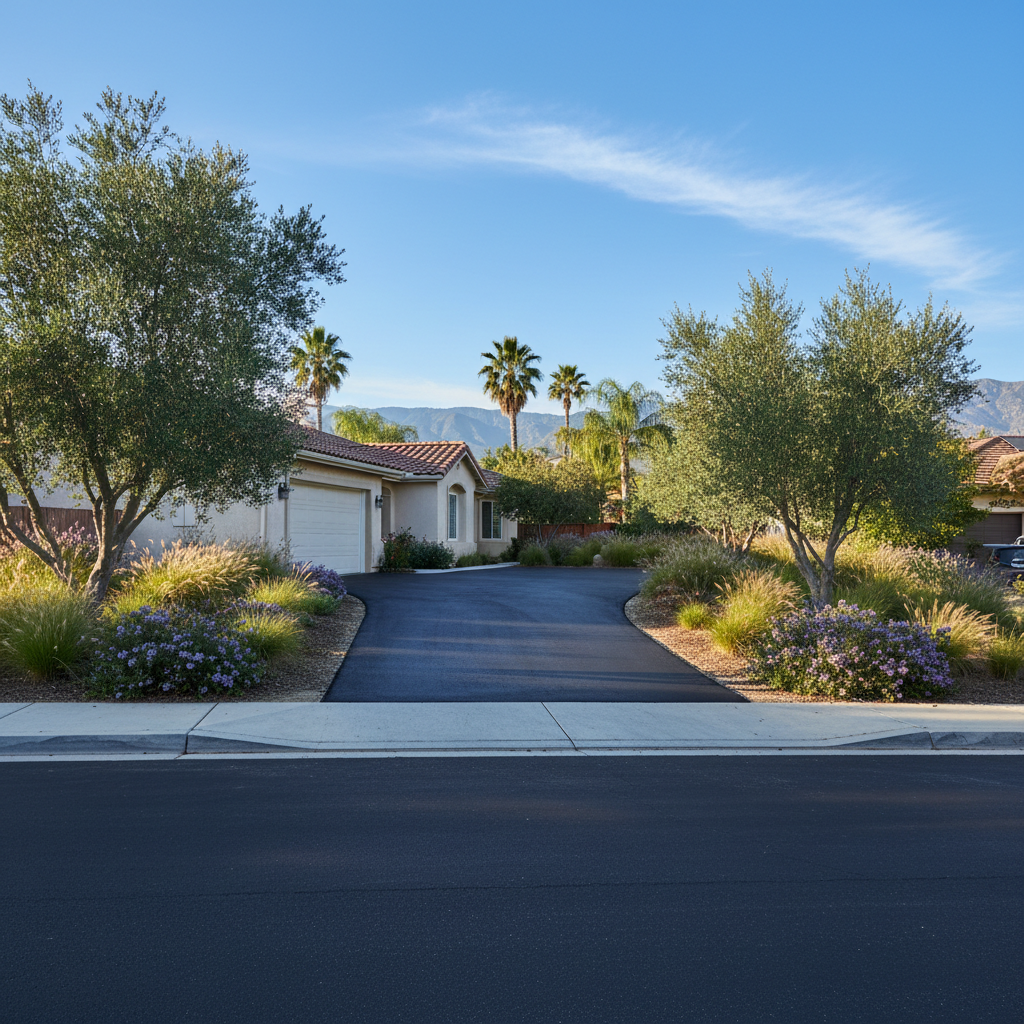
Thinking about your driveway? Good. It's a big deal, really — one of the biggest investments you make in your home's curb appeal and how well it actually works. But here in Colton, our weather isn't always kind to asphalt. Knowing when to tackle projects and how to protect your driveway through the seasons can save you a lot of headaches, and a lot of cash, down the line.
When's the Best Time to Pave or Repair in Colton, Anyway?
This is probably the most common question I get. For new paving or major repairs, timing is everything. You need consistent warmth for the asphalt to cure just right. That means staying away from the dead of winter and the absolute peak of summer heat.
I always tell folks that late spring through early fall is your sweet spot. Think April, May, and then September, October. During these months, we get those nice, warm days without the scorching triple-digit temperatures that can make laying asphalt tricky. When it's too hot, the asphalt can cool too quickly or, oddly enough, stay too fluid, making it hard to compact properly. If it's too cold, it doesn't bond right, and you end up with a weaker surface. We really need that ground temperature to be just right.
For smaller patch jobs or crack filling, you've got a bit more flexibility, but the same general rule applies: avoid extreme temperatures. If you see cracks forming, don't wait around. Those little cracks turn into big potholes fast when water gets in there and freezes, even if it's just a few cold nights we get here in the Inland Empire.
Weather Conditions That Affect Asphalt Work
Beyond just temperature, a few other weather factors really impact asphalt work. You might not think about them, but believe me, I sure do.
- Rain: This is a big one. You can't lay asphalt on a wet surface. Period. Water stops proper adhesion and compaction. If rain is in the forecast, we're rescheduling. It's a pain, I know, but it's better to wait than to do a job that won't last.
- Humidity: High humidity can slow down the curing process for some sealants and asphalt emulsions. It's not as critical as rain, but it's something we keep an eye on.
- Wind: Strong winds can cool the asphalt mix too quickly, especially on bigger jobs. It also makes applying sealants evenly a real challenge.
So, when you're looking to schedule, think about a stretch of clear, warm, dry days. That's exactly what we're looking for too.
Protecting Your Investment Year-Round
Once you've got a beautiful new driveway, or if you're just trying to extend the life of your existing one, year-round maintenance is key. It's not just a one-and-done deal, you know?
Spring Cleaning and Inspection
After our mild Colton winters, take a good look at your driveway. Sweep off any debris, leaves, or dirt that's piled up. Look for new cracks, especially along the edges or where heavy vehicles park. If you see small cracks, get them filled. It's a simple fix now, but it turns into a major repair later.
Summer Prep
Our summers are brutal, right? That intense sun and heat can dry out your asphalt, making it brittle. This is where sealcoating comes in. I recommend sealcoating every 2-3 years, depending on traffic and how much sun it gets. It's like sunscreen for your driveway, protecting it from UV rays, oxidation, and even minor spills. Make sure you're using a quality product. At All Star Asphalt Inc, we only use materials that can stand up to our desert sun.
Also, keep an eye on oil or gas spills. Clean them up immediately. They break down the asphalt binders and can cause soft spots or potholes.
Fall Maintenance
Before the cooler weather sets in, it's a good time for another inspection. Clear out any leaves or debris that might hold moisture against the asphalt. If you have trees overhanging your driveway, like those big old pepper trees you see in some of the older neighborhoods around Colton, their roots can cause problems over time, so keep an eye on any lifting or cracking near them. Get any last-minute crack filling done before the temperatures drop too much. This stops water from freezing in those cracks and expanding, which is a major cause of winter damage.
Winter Watch
Our winters aren't harsh, but we do get some cold nights. The main thing here is moisture. Make sure your drainage is good. If water pools on your driveway, it's going to find its way into any tiny crack and freeze, even if it's just for a few hours. That freeze-thaw cycle is a killer for asphalt. If you're using de-icers, be careful. Some harsh chemicals can damage asphalt over time, so opt for asphalt-friendly options if you need them.
Taking these steps throughout the year will keep your driveway looking good and performing well for a long time. It's all about being proactive. If you've got questions or need a hand, you know who to call.