What exactly is slurry coating, anyway?
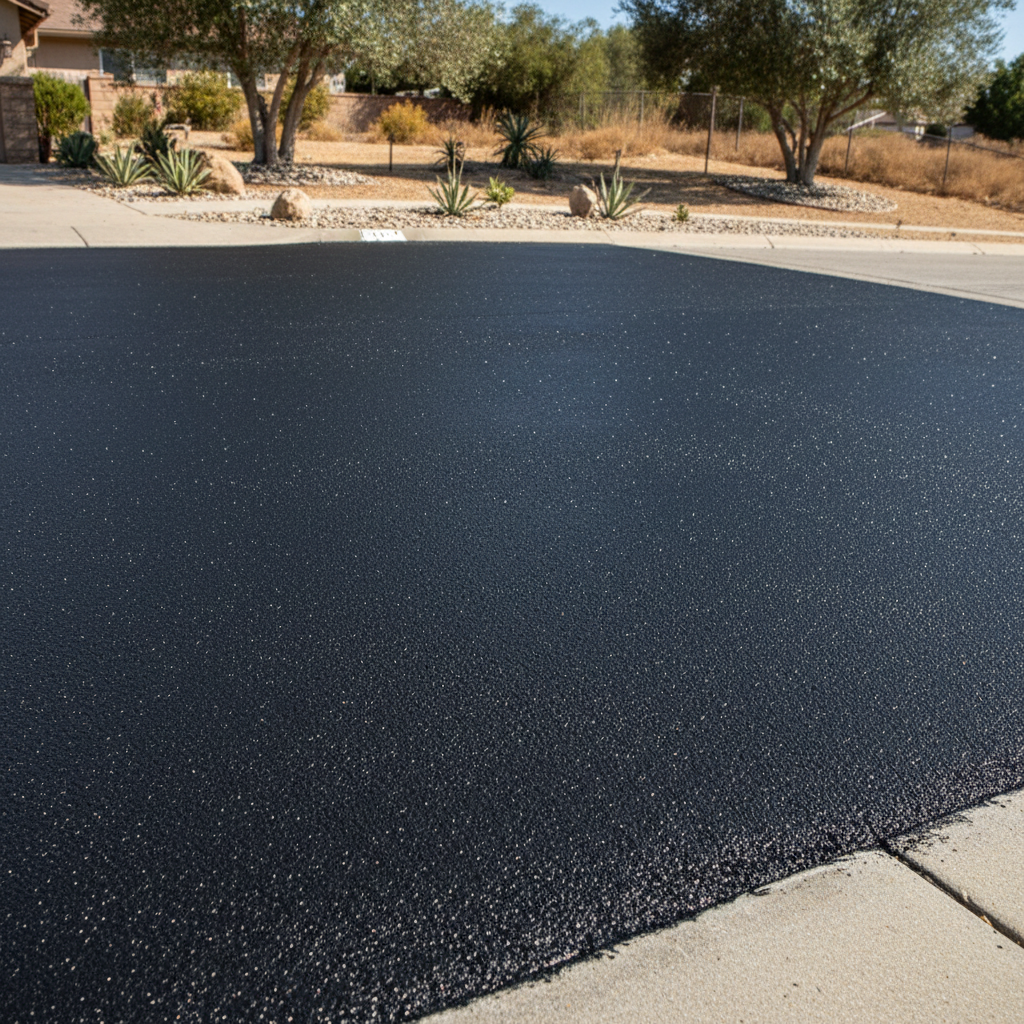
Alright, let's get right to it. Slurry coating, or sometimes called slurry seal, is basically a protective layer we put on top of your existing asphalt. Think of it like a really tough, thick paint job for your driveway or parking lot. It's a mix of asphalt emulsion (that's like liquid asphalt), fine aggregates (tiny rocks and sand), water, and some chemical additives. We mix it all up, then spread it evenly over your asphalt surface. It fills in those tiny cracks, brings back the color, and gives your pavement a fresh, uniform look. Now, it's not a structural repair for big potholes or major cracks, but for preventative maintenance and making your asphalt last longer? It's fantastic.
How long does a slurry coat typically last around here?
That's a common one, and a good question too, because you want to know you're getting your money's worth. Generally, a good quality slurry coat, applied correctly, should last you anywhere from 5 to 7 years. That's not a hard and fast rule, though. Things like how much sun your driveway gets, how heavy the traffic is on it (are we talking a single car or a whole fleet?), and even the quality of the original asphalt underneath can affect that lifespan. Here in Colton, with our hot summers and the occasional heavy rain, that 5-7 year window is pretty solid if you're keeping up with basic maintenance.
Is slurry coating just for looks, or does it actually protect my asphalt?
It's definitely not just for looks, though it does make your asphalt look sharp. The main job of a slurry coat is protection. That top layer seals out water, which is a huge enemy of asphalt. When water seeps into cracks, especially with our temperature swings, it can freeze, expand, and then you've got bigger cracks and potholes. It also protects against UV rays from the sun, which can oxidize and dry out your asphalt, making it brittle and prone to cracking. Plus, it helps resist oil and gas spills. So, yeah, it's doing a lot more than just looking pretty; it's a workhorse for preserving your pavement.
How long do I have to stay off my driveway after it's been slurry coated?
This is probably the most asked question, and for good reason—nobody wants to be stuck! The general rule of thumb is to stay off it for at least 24 hours. Honestly, 48 hours is even better if you can swing it. It really depends on the weather conditions, you see. If it's a hot, sunny day with low humidity, it'll cure faster. If it's cooler or humid, it'll take longer. We always tell our clients to plan for 2 full days, just to be safe. You don't want to drive on it too soon and leave tire marks or pull up the fresh coating. It's a small inconvenience for a long-lasting result.
Can you slurry coat over any kind of asphalt damage?
No, and this is super important to understand. Slurry coating is a surface treatment. It's meant for asphalt that's in pretty good shape already, maybe with some minor surface cracks or fading. If you've got big cracks, potholes, or areas where the asphalt is really crumbling, those need to be repaired first. We're talking patching, crack filling, or even sections of asphalt replacement. Putting a slurry coat over major damage is like putting a fresh coat of paint on a rusty car fender without fixing the rust underneath—it'll look good for a minute, but the underlying problem is still there and will just get worse. We'll always inspect your asphalt first to make sure it's a good candidate for slurry coating.
What's the process like when All Star Asphalt Inc does a slurry coat?
When you call us out, the first thing we do is a thorough inspection of your asphalt. We're looking for any areas that need pre-treatment, like cleaning oil spots or filling larger cracks. Then, we get the surface ready—that means a good cleaning, usually with power blowers, to get rid of all the dirt, debris, and loose material. You wouldn't believe how much dust we find, especially in some of those older neighborhoods near the 215 where the soil can be really fine. Once it's clean and dry, we carefully apply the slurry mix. We use specialized equipment to ensure an even, consistent layer. We'll make sure to protect any adjacent concrete or landscaping. After that, it's just a matter of letting it cure properly, which, as I said, usually means staying off it for a day or two. We'll give you clear instructions on when you can use your pavement again.
Is it better to do slurry coating myself or hire a professional?
Look, I'm a contractor, so you might think I'm biased, but honestly, this isn't a simple DIY job if you want it done right and to last. You can buy small buckets of driveway sealer at the hardware store, but that's usually a much thinner, less durable product than a professional slurry coat. The big difference is the material and the application. We use commercial-grade materials that are specifically formulated for durability and have the right aggregate blend. Plus, we have the specialized equipment to mix it properly and apply it evenly without streaks or puddles. Trying to do a large driveway or parking lot yourself with a squeegee is a recipe for a splotchy, uneven mess that won't last. For a small patch, sure, maybe, but for anything substantial, you're going to get a much better, longer-lasting result by hiring pros like us at All Star Asphalt Inc. It's an investment, and you want it done right the first time.