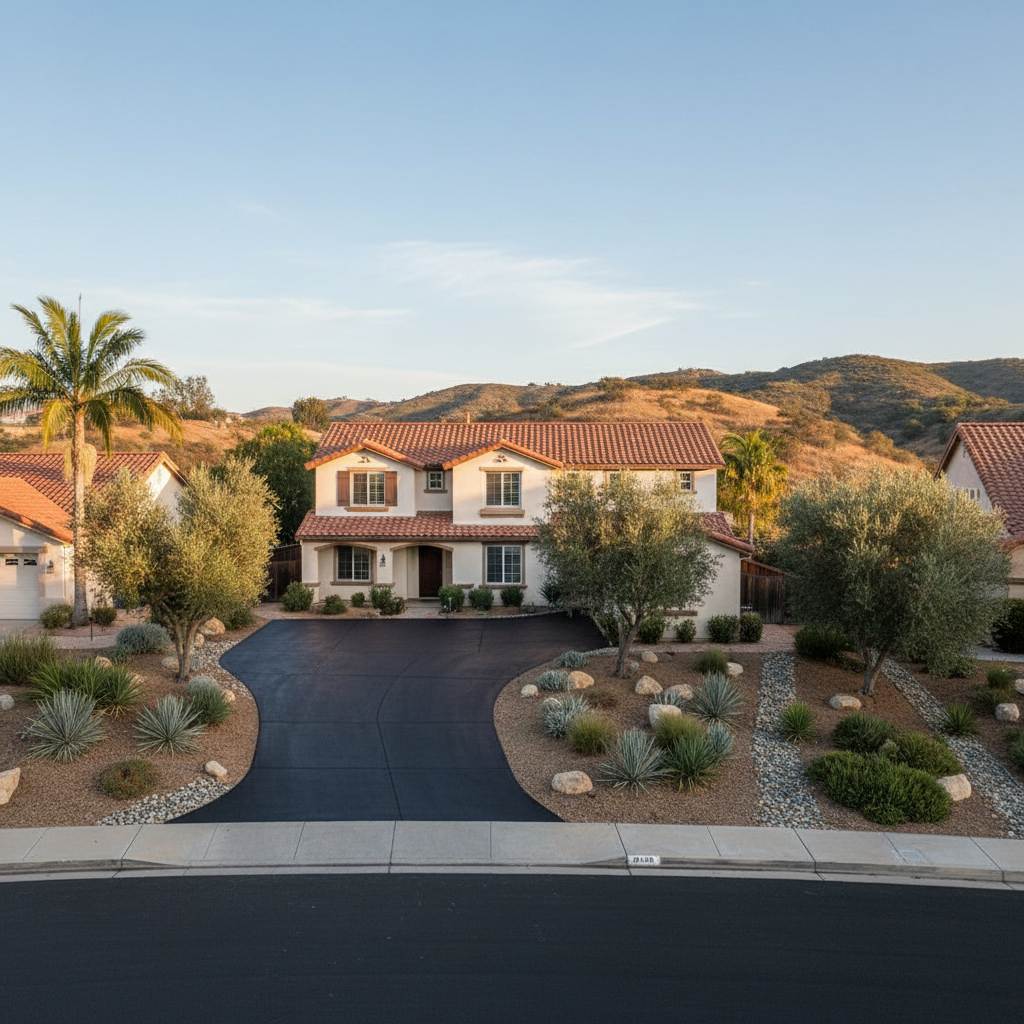
So, you're thinking about getting your driveway or parking lot slurry sealed here in Colton. That's a smart move. A good slurry seal doesn't just make your asphalt look sharp; it protects it from the sun, rain, and all the wear and tear our Inland Empire weather throws at it. But if you've never done it before, you might be wondering how it all works. Don't sweat it. I've been doing this for years, and I'm going to walk you through what you need to know.
Understanding the Timeline: How Long Does This Take?
Let's talk about the clock. From your first call to the finished product, it's not an overnight thing, but the actual work itself is pretty quick. Here's a breakdown:
- Getting a Quote: This usually happens pretty fast. We'll come out, take a look at your asphalt, measure it up, and give you a solid price. This might take a day or two to schedule, depending on how busy we are.
- Scheduling the Job: Once you've approved the quote, we'll get you on the schedule. This is where things can vary. Good contractors are usually booked out a bit, especially during the warmer months when the weather's perfect for this kind of work. Expect anywhere from one to four weeks out, sometimes more if it's peak season.
- Prep Work (Day 1, if needed): Sometimes, if your asphalt has a bunch of cracks, we'll need to do some crack filling first. This is a separate step that needs to cure. We'll usually do this a day or two before the actual slurry application.
- Slurry Application (The Big Day): This is the main event. For most residential driveways, the actual application of the slurry seal takes just a few hours. For bigger commercial lots, it might take a full day or even two, depending on the size and complexity.
- Curing Time: This is crucial. You absolutely cannot drive or park on a fresh slurry seal for at least 24 to 48 hours. Sometimes longer if it's a cooler, humid day, or if you've got a really thick application. We'll tell you exactly when it's safe. Trying to rush this will mess up all the hard work and cost you more in the long run.
What to Expect During the Process
When the crew shows up, here's what you'll see happen:
- Cleaning: First, we'll make sure the surface is super clean. That means blowing off all the dirt, leaves, and debris. Any oil spots or stains will get a special treatment to ensure the slurry sticks right.
- Edging and Protection: We'll tape off or use boards to protect any concrete, landscaping, or garage doors that are right next to the asphalt. We don't want any overspray on your nice pavers or the side of your house.
- Application: The slurry mix, which is a blend of asphalt emulsion, aggregate (tiny rocks), water, and additives, gets applied evenly over your existing asphalt. It's usually done with a squeegee or a specialized machine, depending on the size of the area. It goes on dark and smooth.
- Drying: Then, we wait. The surface will look wet and shiny at first, then it'll start to dull as it cures. You'll see signs go up, or we'll block off the area to make sure no one drives on it prematurely.
It's a pretty straightforward process, but it needs to be done right. You'll notice a strong asphalt smell for a day or two, but that's normal and will fade.
How to Prepare Your Property
You've got a part to play too! A little preparation on your end makes everything go smoother:
- Clear the Area: Move your cars, RVs, trash cans, basketball hoops, potted plants, anything that's on or near the asphalt. We need a completely clear surface to work on.
- Turn Off Sprinklers: If you have sprinklers that hit the asphalt, turn them off the night before and keep them off for at least 48 hours after the application. Water can mess with the curing process.
- Trim Overhanging Branches: If you've got low-hanging tree branches over your driveway, give them a trim. It helps us get the equipment in and prevents leaves from falling onto the wet slurry.
- Plan for No Access: Remember that 24-48 hour cure time? Plan for it. If your driveway is your only access to your garage, make sure any vehicles you need are out before we start. You won't be able to get them back in until it's fully cured.
- Communicate: If you have any specific concerns or areas you want us to pay extra attention to, tell us beforehand.
One thing I've seen a lot here in Colton, especially with some of the older homes in the Mt. Vernon area, is driveways that have settled a bit or have roots pushing up. We'll identify those issues during the quote, but it's good for you to be aware of any unique challenges your property might present.
Questions to Ask Before Signing a Contract
Before you commit, ask these questions. Any reputable contractor, like us at All Star Asphalt Inc, will be happy to answer them clearly:
- What's included in the price? Make sure there are no hidden fees. Does it include crack filling? Edge work?
- What's the exact product you're using? There are different grades and types of slurry seal. Knowing what's being applied is good.
- What's your warranty? A good contractor will stand behind their work. Ask what's covered and for how long.
- How long will the area be inaccessible? Get a clear timeframe for when you can drive on it again.
- Do you have references? Ask for contact information for a few recent customers.
- Are you licensed and insured? This is non-negotiable. You want to make sure they're legitimate and that you're protected if something goes wrong. Ask for proof.
- What's your process for cleaning and prep? This shows you they're thorough and not just slapping slurry over dirt.
Getting a slurry seal is a great investment for your property. By knowing what to expect and asking the right questions, you'll ensure you get a quality job that lasts. If you've got more questions, or you're ready for a quote, just give us a call.